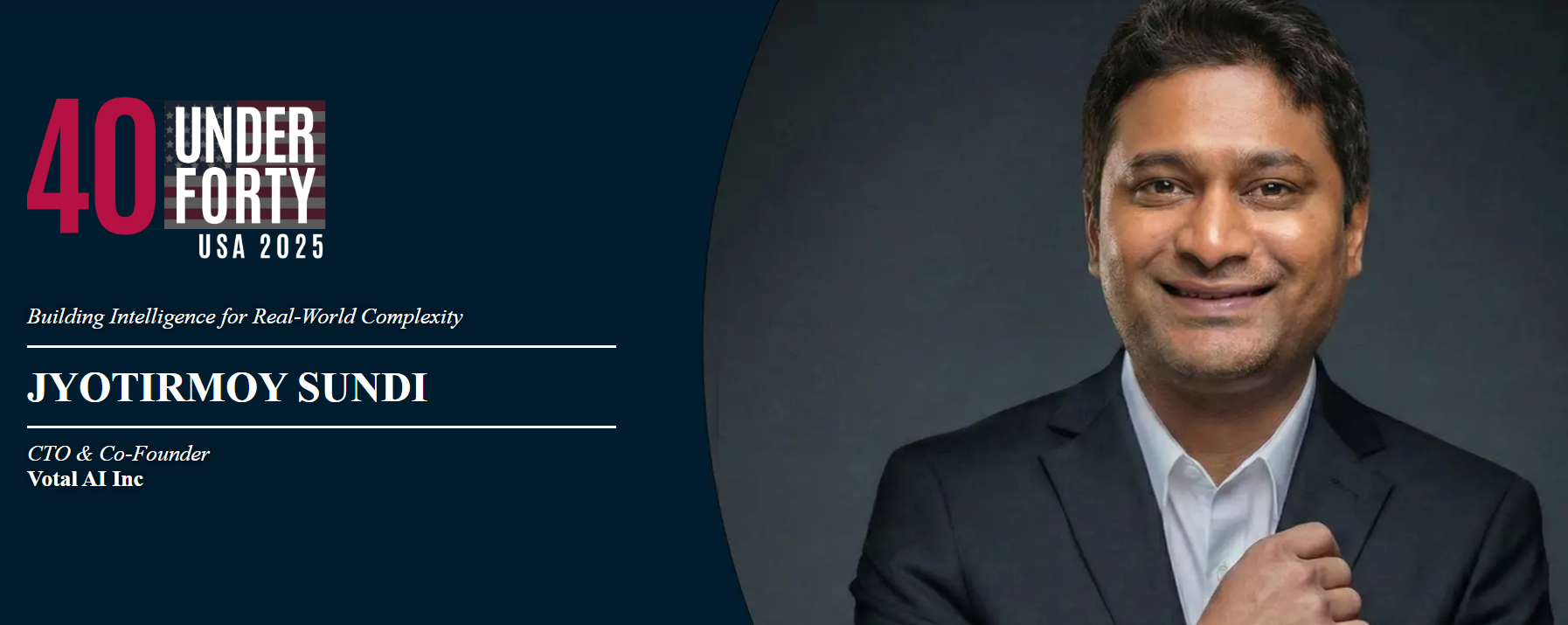
Our CEO Jyotirmoy Sundi recently released some sharp thoughts on the Future of AI Security.
Read article on LinkedIn here
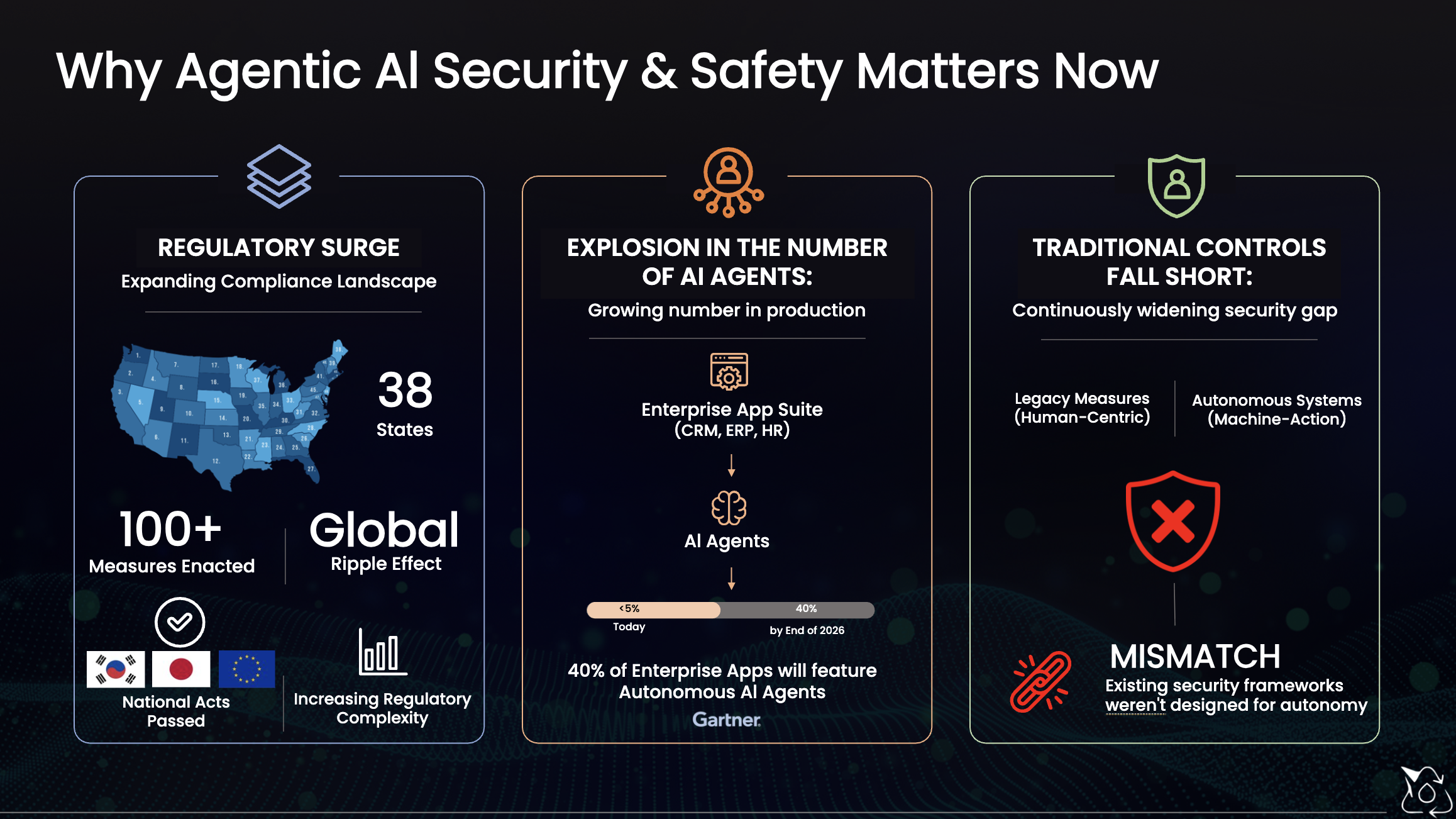
In recent interviews, Sam Altman noted that the next big AI risks aren’t just about alignment or model safety, they’re about what happens when intelligent systems start acting inside real applications.
He’s right. We see AI security as a 2 fold problem after talking to all our customers.
There are two battlefronts every organization must defend.
Layer 1: Model / Foundational Level
This is the core where the model’s intelligence can be manipulated or corrupted:
• Memory poisoning that alters behavior over time
• Backdoors in fine-tuned checkpoints
• Data contamination from unsafe merges or unverified sources
Mitigation: strong governance dataset hygiene, version control, and safe fine-tuning pipelines.
* These step is for organizations who are deploying custom FT/FM models, you can ignore these if you are using FM API’s
Layer 2: Application / System Level
Even a well-aligned model can misbehave once deployed.
Attackers exploit how it’s used:
• Tool-calling logic granting unintended access
• Multi-turn memory reviving “forbidden” context
• Retrieval layers leaking internal data
• Agents or UI flows cooperating in unsafe ways
This is where real-world exploits happen at runtime, across unpredictable, multi-agent environments.
Why traditional defenses fail
Static filters and policies are sandbags against a flood they block what’s known, but attackers adapt using reasoning and ambiguity:
• Prompt injections (direct & indirect)
• Multi-turn memory exploitation
• Double-meaning sentences
• False moral dilemmas
• Adversarial agent cooperation
• Misrepresented ethical frameworks
AI systems think dynamically your defenses must too.
Our approach: Autonomous Adversarial Pentesting (A2P)
We built a platform that thinks like an attacker.
It continuously probes both model and application layers, discovering how small prompt chains or agent interactions evolve into data or compliance breaches.
Then it turns findings into business impact:
• Vulnerability scores mapped to HIPAA, NIST, SOC2
• Estimated cost of potential violations
• Prioritized remediation playbooks + CI regression tests
Why it matters
🛡 Security → reproducible attack traces and safe retesting
👨💻 Developers → actionable fixes for prompts, tools, and retrieval
💼 Executives → quantified exposure and compliance gaps
Bottom line
AI now reasons, adapts, and fails in human-like ways.
Static testing isn’t enough, you need an AI red team that learns as fast as the models/Agentic ai systems it protects.